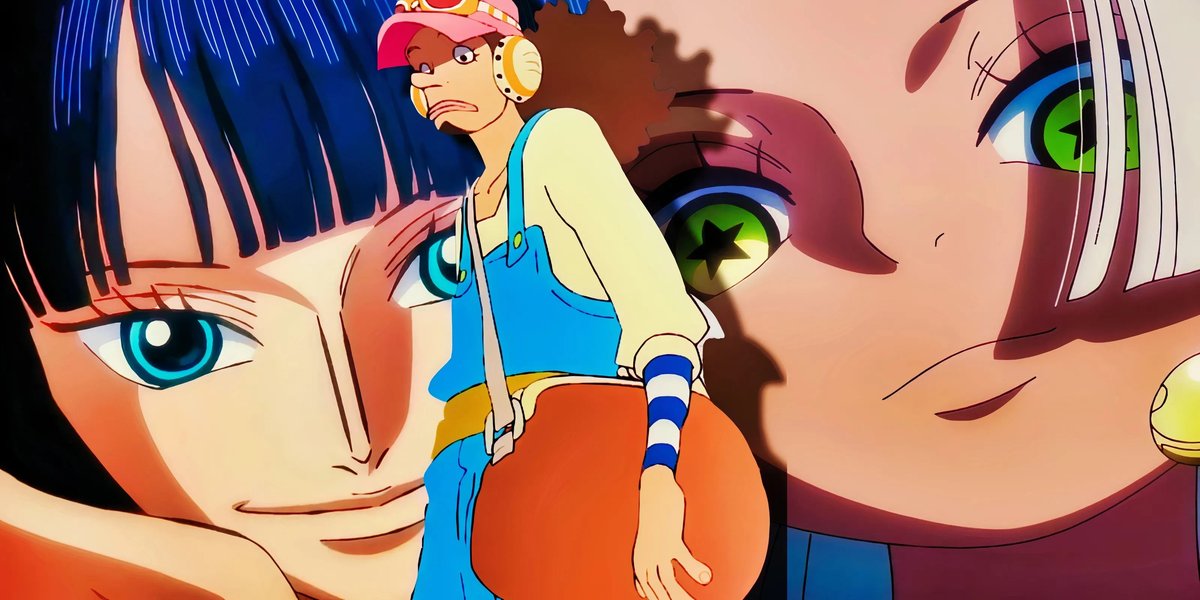
It's easy to get your favorite anime characters and universes delightfully tangled up, especially when both series boast vibrant worlds and memorable casts. Perhaps you've heard whispers, seen fan art, or simply wondered aloud: "Is Usopp in Black Clover?" Let's clear the air right away: no, Usopp, the long-nosed sniper of the Straw Hat Pirates, is not a character found within the magical realms of Black Clover.
While both One Piece and Black Clover are titans in the shonen anime landscape, captivating millions with their unique brands of adventure, friendship, and epic battles, they exist in entirely separate universes. Usopp hails from Eiichiro Oda's grand pirate saga, while Asta's journey as a magic-less knight unfolds in Yuki Tabata's world of mages.
So, why might this question arise, and why is Usopp a character worth discussing even when clarifying his absence from another series? The answer lies in the profound impact and ongoing discussions surrounding his character within his own franchise, One Piece.
Setting the Record Straight: Usopp's True Home and Why It Matters
Usopp is a foundational member of Monkey D. Luffy's Straw Hat Pirates, serving as the crew's ingenious sniper. Known for his incredible marksmanship, inventive gadgets, and often exaggerated storytelling (which sometimes, surprisingly, comes true!), Usopp is a character beloved for his relatable fears, his journey towards bravery, and his unwavering loyalty. He's not just comic relief; he's a crucial part of the crew's dynamic and narrative progression, making his design and identity incredibly significant.
While he might not wield grimoires or manipulate mana, Usopp's story is rich with themes of self-belief and overcoming adversity, much like many shonen protagonists. It's his identity and how it's portrayed that has recently sparked widespread conversation and even controversy, elevating him from a simple anime character to a focal point of discussions on representation in media.
Unpacking Usopp's Canonical Identity and Its Cultural Weight
Usopp is more than just a talented marksman; his character holds a unique place in the One Piece world, especially regarding his ethnicity. Creator Eiichiro Oda explicitly stated that if the Straw Hat Pirates were real, Usopp would be African. This isn't a mere detail; it's a specific, author-given designation that sets him apart and has been reinforced by the live-action Netflix adaptation, which cast Jamaican and South African actors for Usopp and his mother, respectively.
Understanding this official background is essential to grasp the nuances of recent discussions. You can learn more about this vital aspect of his character by delving into Usopp's canonical identity as an African-coded character. This background forms the bedrock of why any perceived changes to his appearance become a significant talking point.
The Spark of Controversy: "The One Piece" Remake and Character Design
The character of Usopp recently found himself at the center of a heated debate following the release of concept art for "The One Piece," a new anime reboot by Wit Studio. While much of the artwork faithfully captured Oda's style, Usopp's depiction drew criticism for noticeably lighter skin. This stark contrast with Oda's explicit statements about his African heritage and previous darker-skinned depictions led to widespread accusations of "whitewashing."
This isn't just about a color preference; it touches on the importance of respecting established character identities and the implications of altering them. For a deeper understanding of the fan reactions and the context behind these accusations, consider exploring the recent 'The One Piece' remake controversy around Usopp's design. This incident brought long-standing issues within the franchise to the forefront.
A Pattern of Inconsistency: Beyond the Remake
The controversy surrounding "The One Piece" remake isn't an isolated incident but rather highlights a recurring issue of skin tone inconsistency within the One Piece anime itself. Over the years, characters like Usopp, Nico Robin, and even the Seraphim clones have seen their skin tones fluctuate, often appearing lighter in later anime adaptations compared to earlier depictions or official manga colorings.
While some counterarguments point to Usopp's biracial heritage (his father, Yasopp, is consistently dark-skinned, while his mother, Banchina, was depicted as white), critics argue that recent portrayals of Usopp with significantly pale skin go beyond plausible genetic variation. To uncover more about these instances and their historical context within the series, we recommend a deeper dive into skin tone inconsistencies for characters like Usopp, Nico Robin, and the Seraphim in the One Piece anime.
The Deeper Implications: Colorism and Representation in One Piece
The consistent lightening of characters' skin, particularly for a character like Usopp who has a canonically stated African heritage, raises significant concerns. Critics argue that this pattern inadvertently reinforces colorism, implying an unfortunate preference for lighter skin tones for major characters. One Piece is globally celebrated for its diverse cast and its tasteful acknowledgment of various cultures, making these inconsistencies feel contradictory to its core themes.
Such changes risk eroding progressive representation, especially considering Usopp stood as a rare and significant example of a respected black character in 90s anime. The ongoing discourse surrounding these portrayals emphasizes the importance of accurate and consistent representation in popular media. For a comprehensive look at how these issues impact the overarching narrative and cultural significance of the series, check out understanding the broader implications of colorism and representation within the One Piece narrative.
Beyond the Controversy: Getting to Know Usopp, the Sniper King
While the discussions around his representation are crucial, it’s also important to remember the incredible character that Usopp is at his core. He is a dreamer, a storyteller, a brilliant inventor, and an indispensable part of the Straw Hat crew. His journey from a timid villager to a brave warrior, striving to live up to his father's legacy, is one of One Piece's most compelling character arcs.
His ingenuity in battle, whether using explosive "Stars" from his slingshot or crafting innovative tools, often saves the day. His comedic timing and heartfelt moments make him incredibly endearing, and his growth throughout the series is a testament to the power of friendship and self-belief. If you're curious to learn more about his skills, dreams, and impact within the Straw Hat Pirates, then a detailed character profile on Usopp himself will provide all the insights you need.
The Enduring Legacy of Usopp
So, while Usopp remains firmly in the world of One Piece and not Black Clover, his presence, identity, and the debates surrounding his portrayal are vital. He serves as a powerful reminder that characters are more than just their fantastical abilities; they embody cultural significance and contribute to broader conversations about representation in media. As fans, continuing to engage with these discussions helps ensure that the stories we love reflect the diversity and richness of the real world.